

Blog / Columbia Honda Service

3 Essential Car Services Offered at Your Honda Dealer in Columbia, MO

honda essential services

As your Honda dealer, we have a wide range of services available to improve performance and extend your vehicle's life. We want to tell you about some of the essential types of Honda service we can provide.

Oil and Filter Replacement

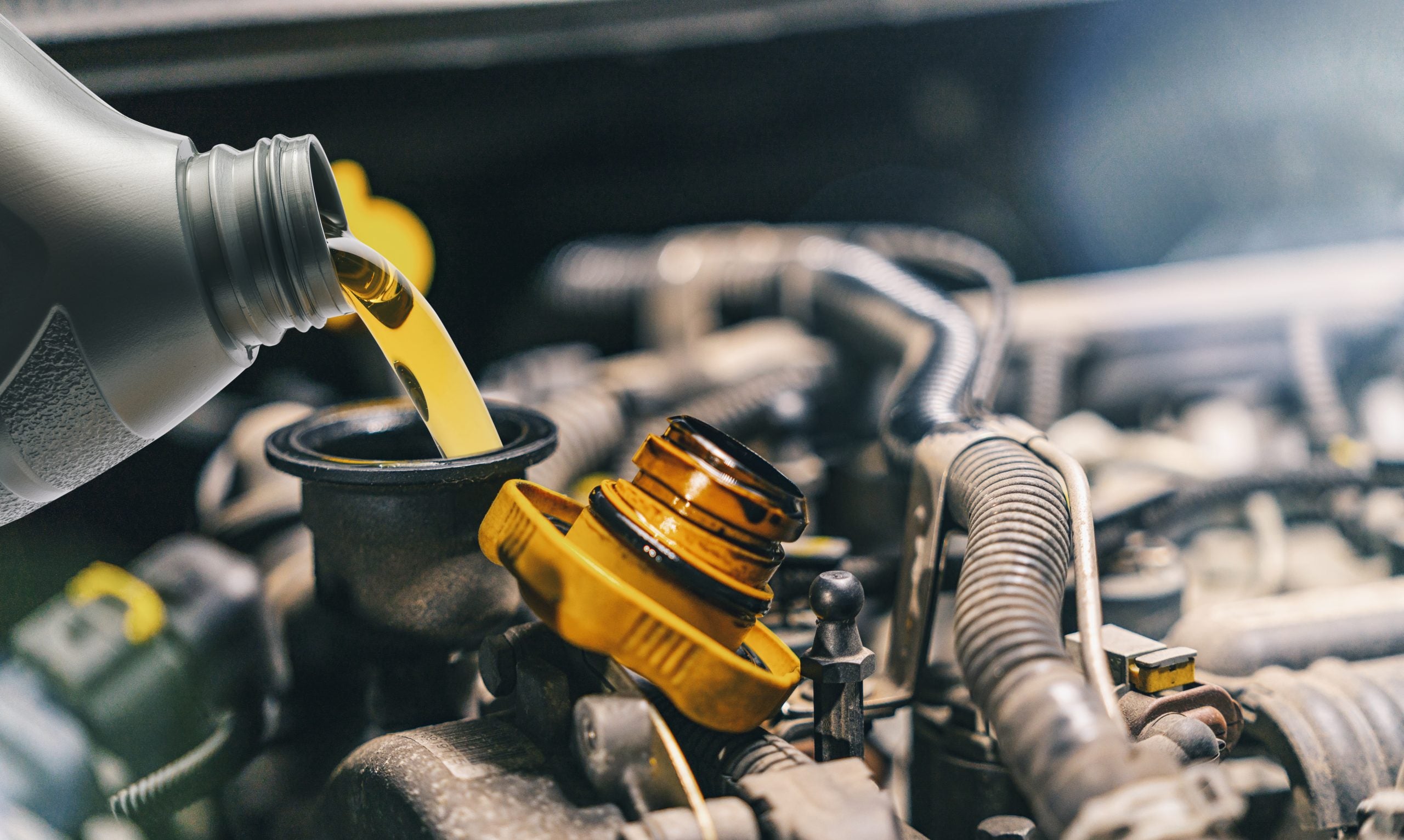
Oil is pumped through your engine continuously. The fast-moving oil lubricated numerous engine components, allowing them to work efficiently while protecting them against friction damage. Additives in the oil work to prevent engine blockages, protect against rust formation, and reduce the engine heat by cooling hot engine components.

As the oil moves, it accumulates dirt, minute pieces of metal, and other debris. The oil filter captures this debris and removes it. As time passes, the filter can become clogged, reducing the oil's movement. If the filter is blocked, you'll hear metallic noises, engine performance will drop, and your engine can start overheating. Replacing a filter is quick and cheap, improves performance, and protects your engine from damage.

Alternator Replacement

The alternator's main task is to supply the electricity for your Honda's systems, and it does this by spinning at high speed to generate energy. It's also responsible for recharging the battery. These are vital roles, as most systems in a car require electricity. Like all components, an alternator will slowly wear out as time passes, and this affects your car's operation and performance.

As the alternator wears out, its electricity production drops. When it can no longer supply enough power for all your Honda's systems, random issues like flickering lights, slow-performing accessories, and starting issues will become common. You may also hear strange noises like grinding from under the hood. We'll test your alternator and ca​​​​​​​​​​​​​​​​​​​​​​​​​​​​​​​​n swiftly install a new one if necessary.

Spark Plug Replacement

Combustion requires air, fuel, and a spark to ignite the mixture. Healthy spark plugs will ignite the mixture correctly, which produces a series of carefully timed controlled explosions that supply the energy to move your car. The plugs gradually wear out as they age, and they can also be affected by other issues like a fuel-rich engine.

Worn or damaged plugs can't ignite the mixture correctly, and this will cause problems like misfiring or stalling. Continual misfiring over a period can result in damage to the cylinders, posting, and other engine components. Our technicians will examine each of the plugs and replace any damaged ones. New spark plugs will provide a noticeable increase in engine performance.

Contact our service department today at Columbia Honda in Columbia, MO, to ​book a service.

Posted in:

Related Posts

Car Air Conditioner Maintenance in Columbia, MO

5 Signs Your Honda's Air Conditioning Needs Maintenance

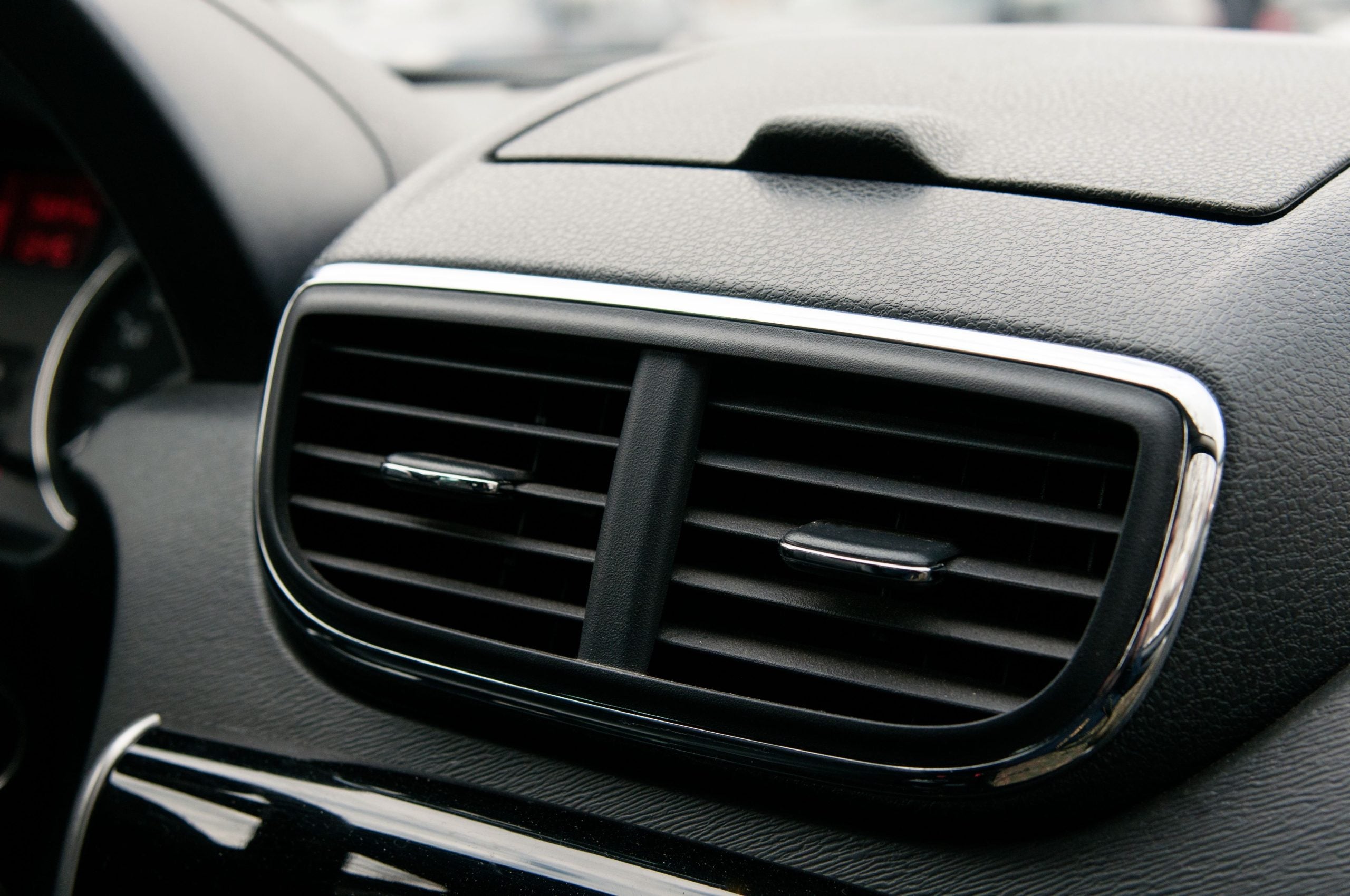
Have you started to feel a little warm and uncomfortable while driving? Perhaps your AC isn't blowing quite as strongly or as cold as it should. Car air conditioners are surprisingly complex systems that can sometimes malfunction. If you detect the following signs of trouble, get quick air conditioning maintenance with us: your local Honda dealership om Columbia, MO. Only Blowing Warm Air A fault with the compressor, condenser, evaporator, or fluid lines might cause the AC's cooling system to fail. The refrigerant circulating through the system must continually turn from gaseous to liquid state and back again, a clever process which creates the coldness. A particularly common cause of warm AC air is a refrigerant fluid leak, which may require a special dye and blacklight to find and fix. more Blowing Air Too Weakly Perhaps your AC's air is suitably cold but blowing weakly or not at all. This might be due to a malfunctioning blower motor or ventilation fan. One of the seals could be broken, or the vents may have somehow become clogged up, perhaps by mold and mildew. Strange Rattling Sounds When something breaks or gets stuck inside the AC, you may hear rattling sounds. This might be something as simple as a leaf trapped in the blower, but rattling can also be caused by a broken fan belt or another loose component. Leaking Under the Dashboard The evaporator core of the AC system generates a lot of condensation moisture, which needs to flow easily out of the vehicle. It does so through a special hose. If this hose becomes clogged by debris or mold, the water will have nowhere to escape and might start leaking into the cabin, usually from under the dashboard. Bad Smells From the Vents With so much moisture created in the system, air conditioners can sometimes attract mold and mildew. These fungal growths release spores into the air, which create an unpleasant smell and can be toxic to breathe. You can help prevent mold and mildew by running the AC's fan on high for a few minutes whenever you finish driving. Also, change the air filter frequently and avoid leaving your car disused for prolonged periods. Get Air Conditioning Maintenance at Your Local Honda Dealership Most drivers should have their AC inspected at least once a year. During an inspection, we can check and test each part to ensure that all is in good working order. We'll also catch potential problems early on when they're easier to repair. Visit Columbia Honda in Columbia, MO, today to have your AC repaired and your car made cool and comfy once more. For over a decade, we've been diligently serving our region's drivers with top-notch cars, financing, maintenance, and customer care.

tire alignment

6 Signs Your Honda Needs a Tire Alignment

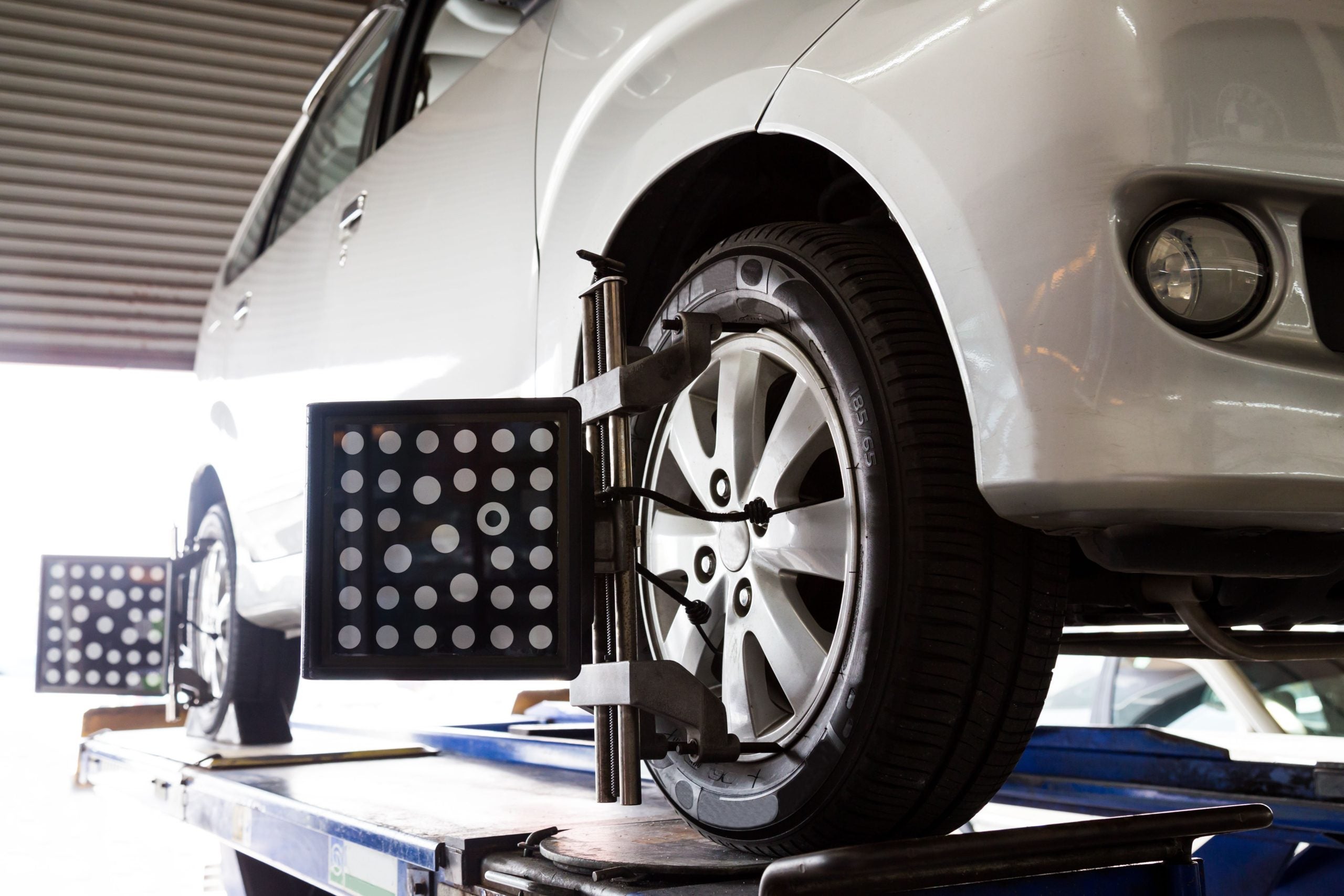
Tires that are slightly misaligned can hinder your steering and handling, putting you at risk on the road. While it's normal for tires to gradually become misaligned over time, it's also easy for a skillful mechanic to set them straight. If you notice the following signs of crooked tires, visit your local Honda dealership for tire alignment. Your Wheels Are Visibly Misaligned Hondas are elegant vehicles with impeccably aligned frames, contours, and wheels. So if your tires get twisted slightly out of position on any of the three angles (camber, caster, and toe), you're likely to notice when you look carefully at your car from the front. more Your Car Refuses To Drive Straight When misaligned, the tire and entire wheel have been pushed out of proper position by worn suspension parts or continual knocks against curbs and potholes. As this misalignment worsens, you might find your car trying to veer to one side. Your Steering Wheel Feels Looser You're also likely to sense a change in how firm your steering wheel feels. It might become slightly looser, requiring more turning each time you corner. This puts your vehicle handling under threat. Your Steering Wheel Is Crooked Occasionally, misalignment will twist the steering system so that the steering wheel moves off-center, out of proper positioning. This means you'll have to apply pressure to the wheel merely to drive straight, a clearly unsustainable predicament. Your Gas Mileage Has Worsened When misaligned wheels start pressing against the road at strange and mismatched angles, your ride will become less smooth. Rolling friction and resistance will rise, slowing you down, forcing the engine to work harder, and lowering fuel efficiency. Your Tires Are Wearing Unevenly Misaligned tires are no longer gripping the road exactly as designed. The awkward angles force certain parts of the treads to undergo more friction and strain. As a result, your tires will become uneven in wear patterns. How Tires Are Corrected at Your Honda Dealership It's advisable to have the alignment of your tires measured twice a year. Whenever our technicians find a misaligned wheel, they can use specialist machinery to promptly return it to perfectly parallel once again. Never put off important maintenance such as realigning your tires. Visit Columbia Honda in Columbia, MO, today. Our courteous, experienced technicians can quickly set your tires straight and carry out any other essential vehicle services.

Pouring,Oil,To,Car,Engine.,Fresh,Oil,Poured,During,An

The Importance of Regular Fluid Checks for Your Honda

Regular fluid checks are vital when maintaining your Honda, ensuring its optimal performance, reliability, and longevity. A car fluid check helps prevent issues that could lead to costly repairs and safety hazards. To keep your vehicle running efficiently, it's crucial to perform regular Honda fluid checks. Engine Oil: A Key Honda Fluid Check Engine oil is essential for lubricating the moving parts within your Honda's engine, reducing friction, and preventing overheating. Your engine could suffer severe damage due to excessive heat and friction without adequate oil. Honda typically advises checking your engine oil level every time you refuel. If your refueling habits are such that you don't travel far between gas station visits, you can moderate this advice accordingly. Most other authorities on the subject (e.g., Castrol, Gulf, Mobil) recommend always checking your oil level before a long trip, and at intervals ranging from weekly to every few weeks (monthly is a common recommendation). Always use the correct grade of oil specified in your owner's manual. more Transmission Fluid: A Critical Part of Your Car Fluid Check Transmission fluid lubricates the gears and ensures seamless gear shifts. It also helps to cool the transmission system. Many recent Hondas use continuously variable transmission (CVT) fluid or automatic transmission fluid (ATF). It's wise to check transmission fluid during regular fluid checks to prevent issues like overheating, leaking, rough or noisy shifting, slipping gears, difficulty shifting gears, and poor fuel economy. With the sealed transmissions typically found in modern models, Honda recommends having a dealer check the transmission fluid level and replace the fluid if necessary. Brake Fluid: Ensuring Safe Stops for Your Honda Brake fluid is crucial for the functionality of your Honda's braking system, transmitting force from the brake pedal to the brake pads for optimal stopping power. Fluid checks should always include brake fluid, as low or contaminated brake fluid can compromise braking performance and, in severe cases, lead to brake failure. In Honda vehicles with a manual transmission, the brake fluid reserve tank also serves as the clutch fluid reservoir, eliminating the need to check the clutch fluid level provided the level is maintained. Contact Columbia Honda in Columbia, MO for all Honda fluid level checks and corrections.