
Honda Warning Lights: The Dashboard Is Talking. Best Listen.
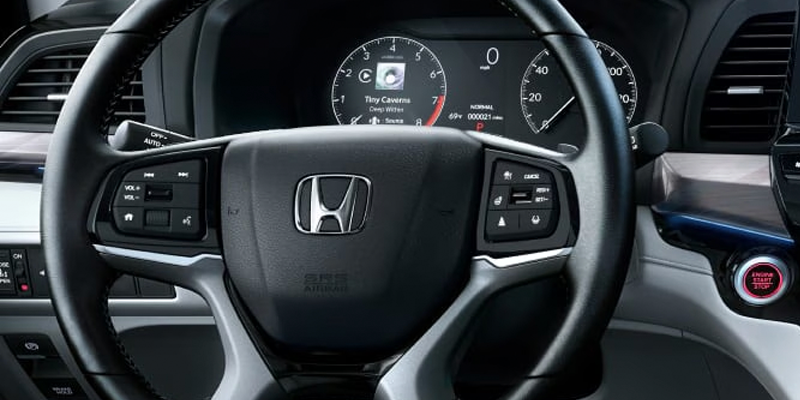
A warning light appearing halfway through a journey has a remarkable ability to command your attention. But a Honda dashboard isn't simply a collection of illuminated reasons to panic. Those lights are there to report what the car's systems are seeing, and the color often gives you the first clue about what comes next. Some indicators simply confirm that a system is operating. Others are asking you to arrange an inspection soon in Columbia. A few are telling you to stop. Knowing which is which can prevent a minor warning from becoming a considerably larger repair.
Start With the Color, Because Honda Does
Dashboard warnings broadly follow a color-coded hierarchy. Green and blue indicators are generally informational, showing that a function or system is active. Yellow or amber deserves more attention: the vehicle has detected something that should be checked, although it doesn't automatically mean you need to stop immediately. Red is different. A red warning can indicate a serious problem requiring immediate attention. That's important, because continuing to drive with certain red warnings—particularly those involving oil pressure, engine temperature, or the braking system—can risk mechanical damage or compromise the vehicle's operation.
Four Lights You're Particularly Likely to Meet
The check engine light is perhaps the most familiar and certainly one of the broadest in meaning. Its cause can range from something as simple as a loose gas cap to a more involved engine problem, which is why diagnosis is important instead of assumption. The red oil pressure warning deserves a much faster response: safely pull over and switch off the engine as soon as possible, because insufficient oil pressure can result in serious engine damage. The battery warning points toward the vehicle's electrical or charging system and warrants inspection. Then there's the Tire Pressure Monitoring System warning, represented by a tire-shaped symbol containing an exclamation point. It indicates that one or more tires may be underinflated, something particularly worth checking when outside temperatures have changed.
Some Warnings Mean Book Service. Others Mean Stop.
The crucial skill isn't memorizing every dashboard symbol; it's understanding the difference between a warning you can investigate soon and one requiring immediate action. A yellow tire-pressure or maintenance warning will generally allow time to arrange a service appointment. A red oil-pressure, engine-temperature, or brake-system warning deserves a different response. If a red warning appears alongside unusual noises or a noticeable change in the way the Honda drives or handles, find somewhere safe to stop and contact a service professional. Continuing in the hope that the light disappears is not diagnosis, and it can turn an identifiable fault into a more expensive one.
Your Owner's Manual Knows Your Dashboard Best
Honda models and trims can have different indicators, so the owner's manual remains one of the best references for identifying precisely what has appeared in front of you. It contains dashboard information specific to the vehicle rather than a generic list assembled for every Honda ever built. Honda's MyGarage platform can also provide access to manuals, warranty information, and other ownership resources. If the warning still isn't clear, don't diagnose it by symbol alone. A qualified technician can perform a diagnostic check, read relevant fault codes, inspect the affected system, and determine why the warning appeared in the first place.
Don't Let a Small Light Become a Big Repair
Warning lights work best when they're treated as information requiring the appropriate response, not merely irritating decorations on the instrument panel. Check the owner's manual when an unfamiliar indicator appears, pay particular attention to red warnings, and have persistent or unexplained alerts inspected instead of waiting for them to disappear. Drivers around Columbia, MO, can bring their Honda to the Columbia Honda service center for diagnostic testing and professional inspection. If a warning light has appeared or your Honda is behaving differently than normal, schedule a service appointment and let the technicians determine what the dashboard has been trying to tell you.